

Emergency HVAC Repair Cost Comparison Chart: Understanding Your Options in South Carson City
There is nothing quite as disruptive-or frankly, as stressful-as realizing your central air conditioning has completely failed on the hottest day of the year. The sudden loss of cool air doesn't just mean discomfort; it can disrupt sleep, impact health, and feel like a complete breakdown of routine life in an established neighborhood like Heavenly Valley or Al Tahoe. When you call for help in South Carson City, your mind is already racing with questions: How bad is the problem? How long will this take? And most importantly, How much is it going to cost?
We understand that "emergency" means panic, and panic often leads to anxiety about money. The last thing you need when your home is uninhabitable due to heat or cold is a contractor who makes you feel rushed or pressured into an unnecessarily expensive fix. My name is Marcus, and I started hands-on work in HVAC after apprenticing out of a trade school nearby, and over the last two decades, I’ve seen everything-from old steam systems to modern smart controls. My focus isn't just on fixing units; it’s on ensuring that you have long-term comfort resilience. To help demystify this process and give you control back, we’ve put together a detailed guide, essentially acting as your Emergency HVAC Repair cost comparison chart roadmap. By the time you finish reading, you'll be far better equipped to ask the right questions and make an informed decision, even in a stressful situation.
Ask us about trusted AC Repair services – we handle it from start to finish.
When Comfort Stops: Understanding Emergency HVAC Failures in South Carson City
The initial shock of a system failure is visceral. You feel it first-a sudden silence where there should be the steady hum of cool air, or perhaps a strange clicking sound followed by nothing at all. It’s critical to take a deep breath and realize that while the problem feels catastrophic, most breakdowns are manageable with professional help.
Learn more about hvac you can count on.
When we talk about an "emergency," we need to distinguish between two things: simple component failures versus major mechanical breakdowns. A tripped breaker or a clogged filter is annoying but often minor. However, when the compressor fails, or the refrigerant line has suffered a significant breach, you've entered the realm of true emergency repair. These require immediate intervention from someone who knows the system intimately-someone who understands the specific wiring and unique climate challenges faced by homeowners in the Tahoe/South Carson City area.
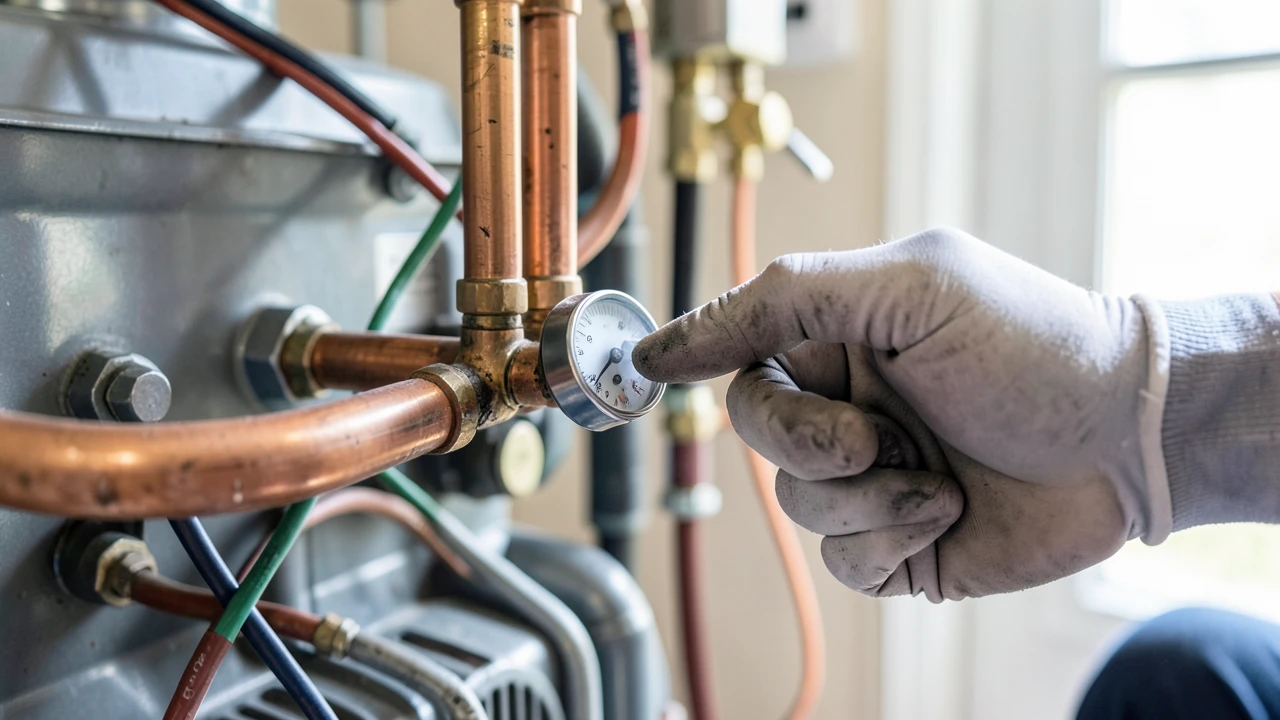
We are local experts. When we service homes across Heavenly Valley or deep within Al Tahoe, we know the differences between a unit installed 10 years ago versus one that's running on its last breath since the early 2000s. This localized knowledge is paramount because every system-every single ductwork and component-is unique. Because of this variance, I must start with an honest clarification: there is no fixed price for emergency service. The cost will be entirely determined by a thorough diagnostic process that pinpoints the exact failure point, which sets up our entire discussion about what a true Emergency HVAC Repair cost comparison chart needs to cover.
Deconstructing the Costs: What Does an Emergency HVAC Repair Really Involve?
The single biggest source of anxiety when dealing with AC repair is the fear of hidden fees or being pressured into accepting temporary patches that only delay the inevitable, and then costing you more down the road. Our goal is absolute transparency. We want to move away from the "surprise bill" model.
The cost of an emergency fix isn't a single number; it’s a combination of four major variables:
- Diagnostic Fee: This covers the time and expertise needed to diagnose why the system failed. It is our professional assessment that prevents you from replacing perfectly good parts or spending money on fixes for non-existent problems.
- Labor Rate: Skilled labor is expensive, especially when we are responding in the evening or weekend. Our rates reflect certified local experts who arrive promptly and solve the problem correctly the first time.
- Parts Cost: This includes everything from a simple capacitor (a surprisingly common failure point) to complex, custom-machined replacement components. The age of your unit heavily influences this cost.
- Refrigerant/Gas Costs: If the system is leaking refrigerant, we must recharge it; these gases are specialized and factored into the overall expense.
To help you navigate this, think of our process less as a single price point and more like a tiered assessment: Is this a basic troubleshooting issue (low cost), or does it require replacing a core component like the outdoor condenser unit (high investment)? We promise to walk you through these options clearly before any major work begins.
Many people fall for the "quick fix" philosophy-they accept a temporary repair just to get cool air today. While this solves the immediate crisis, I’ve seen it time and again: a cheap band-aid today often masks a structural or systemic issue that will lead to an even more expensive failure within 12 months. This is why understanding the full scope-and using our Emergency HVAC Repair cost comparison chart mindset-is so crucial for long-term household budget planning. We commit to providing clear, itemized estimates with zero pressure; you own the decision every step of the way.
Beyond the Fix: Why Indoor Air Quality (IAQ) is the Most Overlooked Component
Once we've gotten your unit running again-and trust me, that feeling is priceless-I want to shift our conversation slightly. While a broken AC unit represents an emergency comfort issue, the underlying health of your air is often the most overlooked and critical component of your home’s overall wellness. This is my area of specialization: Indoor Air Quality (IAQ).
When we talk about IAQ, we aren't just talking about filtering dust; we are discussing a complex blend of indoor pollutants-things like pet dander, mold spores, volatile organic compounds (VOCs) from furniture or cleaning products, and accumulated allergens. In established neighborhoods where homes have lived through decades of life changes, managing these particulates is vital for family health, especially for those with respiratory sensitivities.
The preventative angle here is powerful: Consistent care-like professional duct sealing and specialized air filtration upgrades-is exponentially cheaper than dealing with the cascading effects of system failures or poor breathing air quality. Our local experts can assess your ducts not just for leaks that affect efficiency, but for potential mold growth or structural compromises that impact IAQ.
Furthermore, when discussing replacements, we must talk about SEER2 efficiency ratings. This technical term might sound intimidating, but its benefit is simple: it means the unit isn't just moving air; it's doing so with maximum energy conservation and superior filtration capabilities built in. It translates to lower bills and healthier breathing for your family-a win-win that goes far beyond mere cooling capacity.
Repair vs. Replacement: Finding the True Return on Investment for Your Home
This is perhaps the hardest conversation we have, and it’s one where many homeowners feel overwhelmed or guilty about the cost. When a system fails, you are faced with two massive options: major repair or full replacement. We help guide you through this decision matrix by asking pointed questions that reveal the true state of your investment.
Ask yourself these three key questions:
- Is the unit over 15 years old? (Older units often struggle to meet modern energy standards.)
- Has it required multiple emergency repairs in the last five years? (A pattern of repeated failure suggests systemic wear and tear, not just a single part issue.)
- Are your utility bills consistently skyrocketing relative to neighborhood averages? (Inefficiency is costing you money every day.)
If the answer to these questions trends toward "yes," it’s time for us to look at replacement. There comes a point where the cumulative cost of emergency repairs and the unit's inherent inefficiency signal that investing in modern, high-efficiency equipment-like an advanced heat pump or ducted mini-split system-is the smarter long-term financial move.
We also recognize that not every home needs a massive overhaul. For those looking for zoned control without the complexity of full ductwork replacement, systems like ducted mini-splits offer precise temperature management and can be far more energy efficient than outdated central systems. We always conduct a thorough cost comparison between repair vs. replacement to ensure you are making an investment that will genuinely pay dividends in comfort and savings for years to come.
Building Comfort Resilience: Preparing for Peak Seasons in Your Local Community
Knowing how complex the decision process is-and knowing that dealing with emergency service is stressful enough without adding financial complexity-the best thing we can do is empower you with proactive knowledge. The single most effective way to mitigate the risk of a costly failure and reduce stress during peak seasons is preparation.
Here is an actionable preventative checklist:
- Filter Check: Inspect or replace filters every 30-60 days, especially if you have pets or known allergies. This is the easiest step with the biggest impact.
- Leak Visibility: Visually inspect visible ductwork for obvious tears or separations that might be letting cool air escape into unconditioned spaces (like attics).
- Schedule Tune-Up: Even if everything seems fine, scheduling an annual preventative HVAC maintenance schedule ensures we are checking the core operational systems-the refrigerant levels, electrical connections, and motor efficiency-before a crisis hits.
We understand that local climate variations in areas like South Carson City require specialized equipment. The extreme temperature swings, from deep winter cold to intense desert heat, mean standard units often struggle. This is why proactive planning with a reliable partner who understands the region’s unique demands is worth every penny.
Ultimately, our goal as your local provider isn't just to survive an emergency; it's to build comfort resilience into your home for decades. We are here not only when things break but also when you're ready to improve and optimize. If you have any questions about preventative care or want a second opinion on that recurring HVAC issue, please don’t hesitate to call us at +1 775-490-8107. Let's talk through your options-no pressure, just expert advice tailored specifically for your home in Heavenly Valley or Al Tahoe.